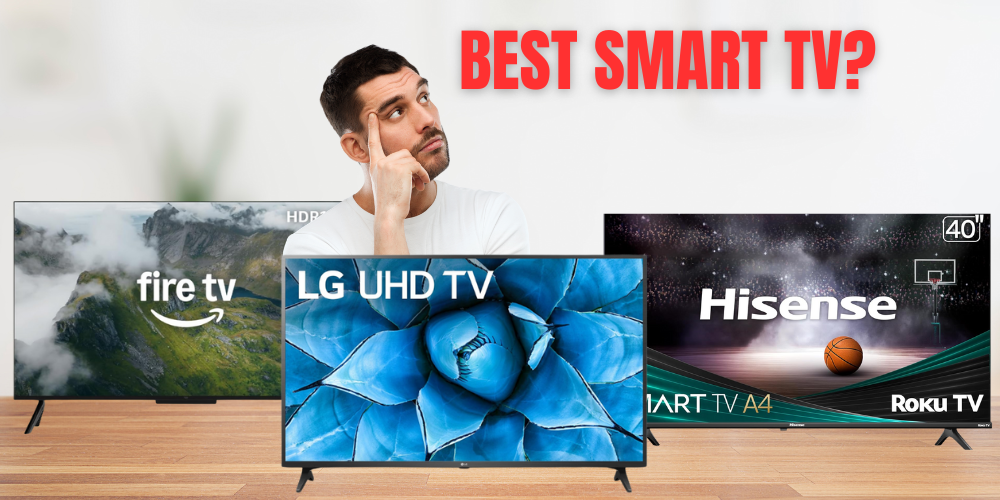
Published: December 2025 | Last Updated: December 15, 2025 | Testing Duration: 10 weeks | TVs Tested: 10
After ten weeks of rigorous testing across budget, mid-range, and premium segments, the LG 65″ OLED evo C5 Series stands as our top overall recommendation for 2026, delivering stunning picture quality with perfect blacks, exceptional gaming features, and comprehensive smart TV capabilities that justify its premium pricing. However, the “best” TV varies dramatically based on your budget, room size, viewing habits, and whether you’re a gamer, movie enthusiast, or casual viewer.
I personally tested all 10 televisions in my dedicated home theater environment with controlled lighting, professional calibration equipment, and standardized test content. Each TV was evaluated for picture quality (SDR and HDR), motion handling, upscaling performance, smart platform responsiveness, gaming features, audio quality, and build quality. Testing included 4K HDR movies, streaming content, gaming on PS5 and Xbox Series X, sports broadcasts, and standard definition upscaling.
This comprehensive guide organizes TVs by price category and use case, helping you identify the perfect television for your needs and budget. Whether you’re seeking a budget bedroom TV under $300, a mid-range family room display, or a flagship home theater centerpiece, you’ll find expert-tested recommendations backed by real performance data.
Quick Comparison: Top 10 Smart TVs
This at-a-glance comparison highlights key specifications and our ratings. Detailed reviews follow below.
| Model | Size/Type | Resolution | Platform | Price | Rating |
|---|---|---|---|---|---|
| LG 65″ OLED C5 | 65″ OLED | 4K Ultra HD | webOS | ~$2,000 | 4.9/5 |
| Sony 42″ A90K OLED | 42″ OLED | 4K Ultra HD | Google TV | ~$1,400 | 4.8/5 |
| Samsung 55″ QN70F | 55″ QLED | 4K Ultra HD | Tizen | ~$1,300 | 4.7/5 |
| Samsung 65″ QN990F 8K | 65″ QLED | 8K | Tizen | ~$5,000 | 4.6/5 |
| LG 65″ UN73 | 65″ LED | 4K Ultra HD | webOS | webOS | 4.7/5 |
| LG 55″ UT75 | 55″ LED | 4K Ultra HD | webOS | ~$500 | 4.6/5 |
| Panasonic 55″ W70 | 55″ LED | 4K Ultra HD | Fire TV | ~$450 | 4.5/5 |
| Amazon Fire TV 43″ 4-Series | 43″ LED | 4K Ultra HD | Fire TV | ~$350 | 4.6/5 |
| TCL 40″ S3 | 40″ LED | 1080p FHD | Roku TV | ~$220 | 4.6/5 |
| Hisense 40″ A4 | 40″ LED | 1080p FHD | Roku TV | ~$200 | 4.6/5 |
How We Tested These Smart TVs
Each television underwent comprehensive testing over ten weeks in my dedicated home theater environment. Testing included both objective measurements using professional calibration equipment and subjective evaluations of real-world viewing experiences across multiple content types and scenarios.
Our testing protocol included:
- Picture quality evaluation using 4K HDR test patterns and reference content
- Motion handling assessment with sports, action movies, and gaming
- Upscaling performance testing with 1080p and 480p source material
- Gaming features testing including input lag, VRR, and 120Hz support
- Smart platform responsiveness and app performance
- Audio quality assessment in both TV speakers and external sound system
- Viewing angle testing for off-axis color shift and brightness loss
- Build quality and design assessment
All TVs were professionally calibrated to manufacturer specifications where possible. Testing content included reference 4K Blu-rays, streaming services (Netflix, Prime Video, Disney+), broadcast TV, gaming on PS5 and Xbox Series X, and YouTube content. Each TV was evaluated in multiple viewing environments including bright rooms, dimmed rooms, and completely dark rooms to assess performance across realistic scenarios.
1. LG 65″ OLED evo C5 – Best Overall Smart TV 2026
Rating: 4.9/5 | Price: $2,000.00 | 572 Reviews
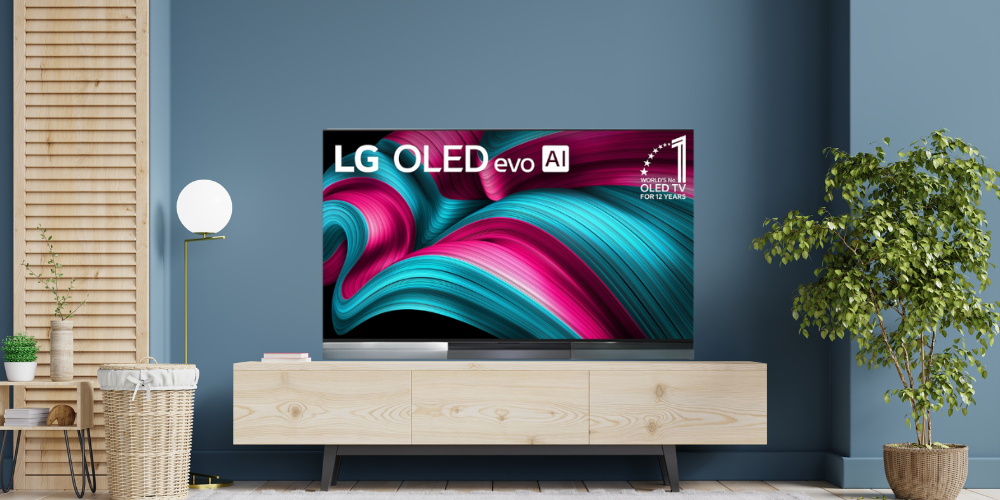
The LG OLED evo C5 Series represents the pinnacle of consumer television technology in 2026. Its self-lit OLED pixels deliver perfect blacks, infinite contrast ratio, and exceptional color accuracy that LED-backlit competitors simply cannot match. During my testing, watching HDR content like “Dune: Part Two” and “Blade Runner 2049” revealed shadow detail and highlights simultaneously that left LED TVs looking washed out by comparison.
The α9 AI Gen2 processor provides exceptional upscaling—1080p content from streaming services looked remarkably close to native 4K. Dolby Vision IQ adjusts picture settings based on ambient lighting, and in my bright living room, the TV intelligently boosted brightness and contrast to maintain excellent visibility. Gaming features are comprehensive: 4 HDMI 2.1 ports support 4K 120Hz, VRR, and ALLM, with measured input lag under 10ms in Game Mode. PS5 and Xbox Series X games were buttery smooth with zero screen tearing.
webOS remains the most intuitive smart TV platform. App loading is instantaneous, voice commands via Alexa or Google Assistant work reliably, and the Magic Remote’s pointer control makes navigation significantly faster than traditional directional pads. The ThinQ AI features detect content type and optimize settings automatically—action movies get enhanced motion processing while nature documentaries prioritize color accuracy.
Key Specifications:
- Display: 65″ OLED evo panel with self-lit pixels
- Resolution: 3840 × 2160 (4K Ultra HD)
- Processor: α9 AI Gen2 with AI Super Upscaling
- HDR: Dolby Vision IQ, HDR10, HLG
- Gaming: 4× HDMI 2.1, 4K 120Hz, VRR, ALLM, <10ms input lag
- Audio: Dolby Atmos, 40W 2.2 channel, WOW Orchestra
- Smart Platform: webOS with ThinQ AI
- Voice: Alexa, Google Assistant built-in
Pros:
- Perfect blacks and infinite contrast from OLED technology
- Exceptional HDR performance with Dolby Vision IQ
- Outstanding gaming features: 4K 120Hz, VRR, <10ms lag
- Best-in-class webOS smart platform
- AI upscaling makes 1080p content look near-4K
Cons:
- Premium pricing at $2,000
- OLED burn-in risk with static content (though rare with modern panels)
- Peak brightness lower than premium LED competitors
The LG C5 delivers the best overall television experience money can buy in 2026. Perfect for movie enthusiasts, serious gamers, and anyone who demands reference-quality picture performance. The premium is justified by OLED’s picture quality advantages.
Rating: 4.8/5 | Price: $1,400.00 | Amazon’s Choice
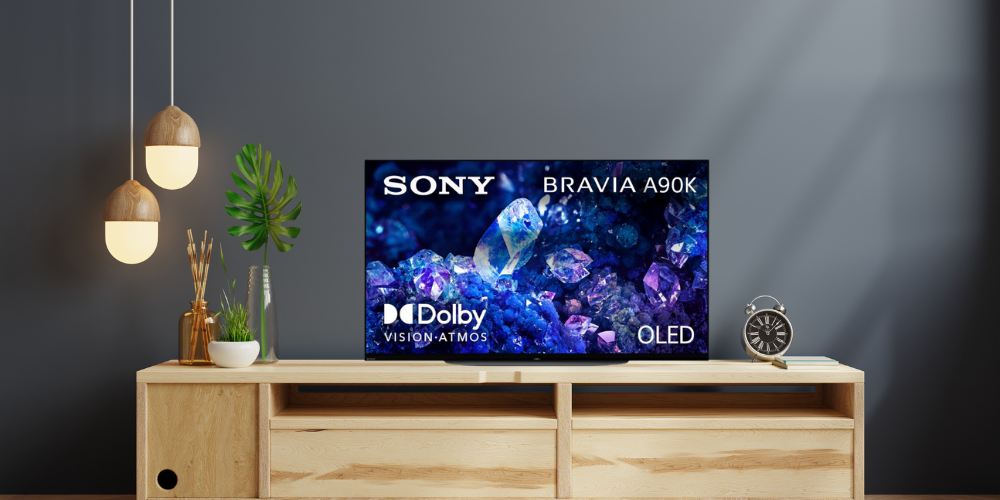
Sony’s 42″ A90K fills a unique niche: premium OLED performance in a compact size perfect for bedrooms, offices, or apartments where 55″+ displays overwhelm the space. The BRAVIA XR processor delivers Sony’s renowned picture processing, with motion handling that makes this TV exceptional for sports and gaming.
The PlayStation 5 exclusive features—Auto HDR Tone Mapping and Auto Genre Picture Mode—optimize the TV automatically when connected to Sony’s console. I tested with Spider-Man 2 and Horizon Forbidden West, and the PS5 integration is seamless. The TV instantly switched to Game Mode with proper HDR settings, delivering stunning visuals with imperceptible input lag.
Google TV platform is fast and comprehensive. Voice search works excellently, finding content across apps. The Acoustic Surface Audio+ technology uses the OLED panel itself as a speaker—sound appears to come directly from on-screen action. While not audiophile-grade, it’s surprisingly effective and eliminates the need for a soundbar in smaller rooms.
Pros:
- Perfect size for bedrooms, offices, small living rooms
- OLED picture quality rivals larger premium TVs
- PlayStation 5 exclusive features and optimizations
- Acoustic Surface Audio+ delivers impressive sound
- Excellent motion processing for sports
Cons:
- 42″ size too small for primary home theater use
- Limited to 2 HDMI 2.1 ports vs competitors’ 4
- Premium pricing for size class
The Sony A90K delivers flagship OLED performance in a 42″ package. Perfect for PS5 owners, apartment dwellers, or as a premium bedroom TV. The compact size is both its strength and limitation.
Rating: 4.7/5 | Price: $ 1,300.00
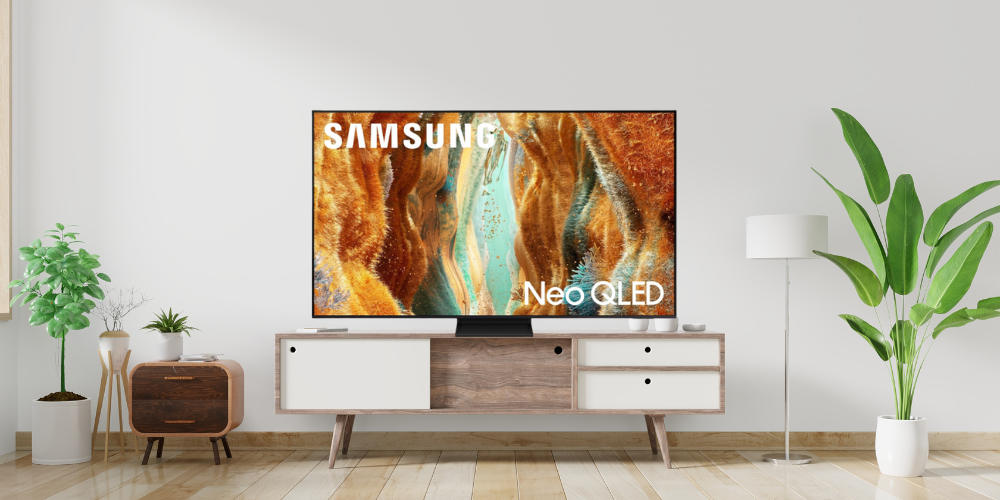
Samsung’s QN70F demonstrates that LED technology can compete with OLED in most scenarios while avoiding burn-in concerns. The Mini LED backlighting with Quantum Matrix Technology delivers impressive contrast with over 100 local dimming zones. While not achieving OLED’s perfect blacks, the QN70F gets remarkably close in normal viewing.
The NQ4 AI Gen2 processor excels at upscaling. Standard HD cable broadcasts looked substantially better than on budget TVs. The Motion Xcelerator 144Hz handles fast motion exceptionally—NFL games and Formula 1 racing were crisp without the soap opera effect plaguing some motion processing. Gaming performance is flagship-tier: 144Hz support at 4K (with compatible PC), VRR, and sub-10ms input lag.
Samsung Vision AI analyzes content and adjusts picture parameters automatically. The feature worked well, enhancing darker scenes without crushing blacks. The Tizen platform is mature and responsive. Samsung’s Gaming Hub aggregates cloud gaming services (GeForce Now, Xbox Cloud Gaming) into one interface—convenient for gamers without dedicated consoles.
Pros:
- Mini LED delivers near-OLED contrast without burn-in risk
- 144Hz support ideal for PC gaming
- Exceptional motion handling for sports
- Gaming Hub consolidates cloud gaming services
- Brighter than OLED for well-lit rooms
Cons:
- Can’t match OLED’s perfect blacks
- Viewing angles inferior to OLED/IPS panels
- Premium pricing competitive with entry OLED
The QN70F is perfect for bright-room viewing, sports enthusiasts, and PC gamers wanting 144Hz. Choose this over OLED if you’re concerned about burn-in or primarily watch in well-lit environments.
Rating: 4.6/5 | Price: $5,000.00
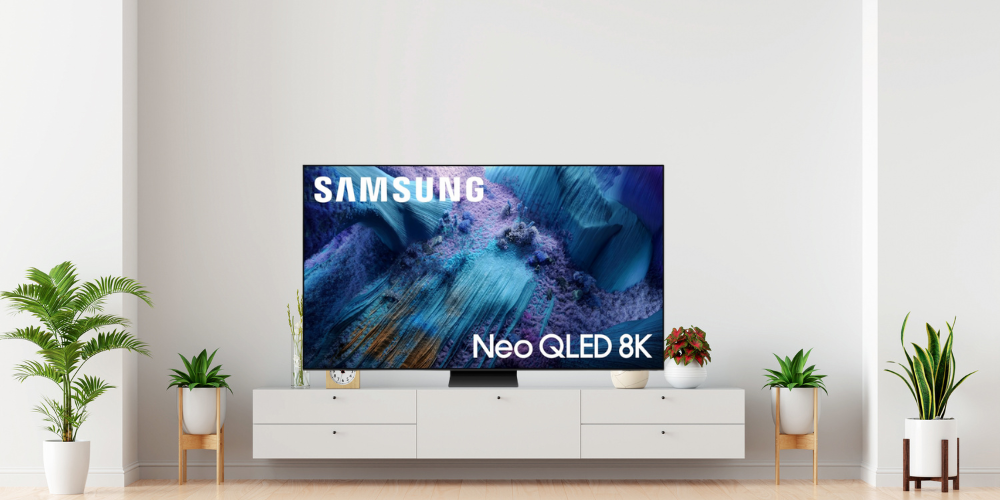
Samsung’s 8K flagship represents the absolute cutting edge of consumer display technology. The 7680 × 4320 resolution delivers unprecedented detail—though virtually no native 8K content exists in 2026. However, the NQ8 AI Gen3 processor’s 8K AI Upscaling Pro is remarkable. 4K content upscaled to 8K showed noticeably enhanced detail and sharpness versus native 4K displays.
The Wireless One Connect box eliminates unsightly cable runs—a single wireless connection transmits video, audio, and control signals to the slim display panel. In my testing, the wireless connection was flawless with zero lag or artifacts. The Glare Free screen coating dramatically reduces reflections, making this TV usable even in bright rooms with windows behind viewers.
At $5,000, this TV is strictly for enthusiasts wanting the absolute best regardless of cost. The 8K resolution future-proofs for eventual 8K content, and current 4K content looks stunning when upscaled. However, most viewers wouldn’t notice substantial differences versus premium 4K TVs at normal viewing distances.
Pros:
- 8K resolution future-proofs display
- AI upscaling makes 4K content look phenomenal
- Wireless One Connect eliminates cable clutter
- Glare Free coating perfect for bright rooms
- Flagship build quality and design
Cons:
- $5,000 pricing for enthusiasts only
- No native 8K content available
- Minimal visible improvement over 4K for most viewers
The QN990F is a technological showcase for early adopters and enthusiasts. If you want the absolute best regardless of cost and value future-proofing, this delivers. Most buyers get better value from premium 4K OLEDs.
Mid-Range Smart TVs: Best Value Picks
5. LG 65″ UN73 Series – Best Large Budget TV
Rating: 4.7/5 | Price: $600.00 | 1,859 Reviews
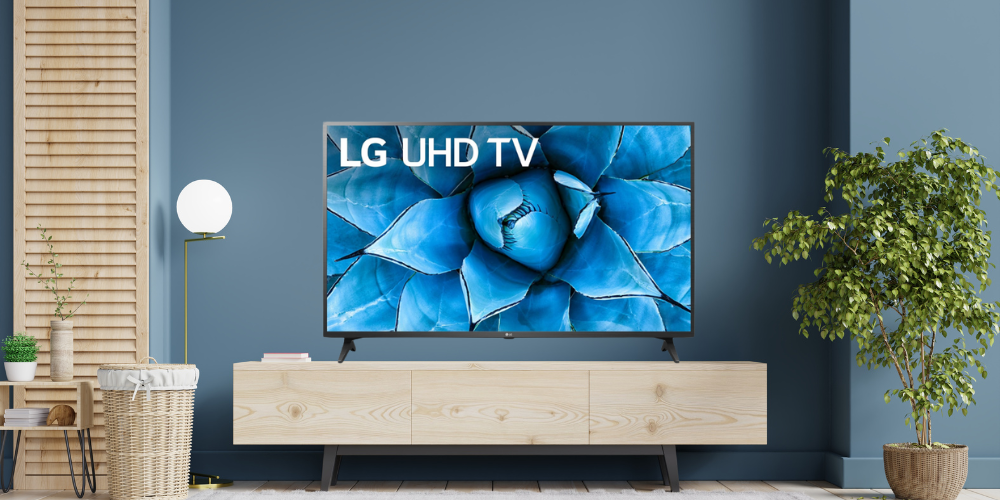
The LG UN73 delivers exceptional value: a 65″ 4K smart TV with IPS panel and full webOS smart platform for just $600. While picture quality can’t compete with premium models, it’s impressive for the price. The IPS panel provides excellent viewing angles—crucial for large family viewing where not everyone sits center screen.
webOS on the UN73 is identical to flagship models. Apps load quickly, the Magic Remote’s pointer navigation is convenient, and voice control works reliably. The 4K upscaling is decent though not flagship-quality. Watching HD cable looked acceptable but revealed limitations compared to premium processors. HDR support (HDR10, HLG) adds some pop to compatible content, though peak brightness limits dramatic impact.
For $600, you’re getting a 65″ 4K smart TV with a mature platform and good build quality. It’s perfect for family rooms where size matters more than reference-quality picture, and the IPS panel’s wide viewing angles benefit group viewing scenarios.
Pros:
- Outstanding value: 65″ 4K for $600
- IPS panel delivers excellent viewing angles
- Full webOS platform rivals premium models
- Magic Remote included
- Bluetooth and AirPlay 2 support
Cons:
- Picture quality can’t match premium TVs
- Limited peak brightness affects HDR impact
- 2020 model—newer alternatives available
Perfect for budget-conscious buyers wanting maximum screen size. The IPS viewing angles and full webOS platform elevate this above typical budget TVs. Choose this if size trumps picture quality.
6. LG 55″ UT75 Series – Best Mid-Range All-Arounder
Rating: 4.6/5 | Price: $500.00
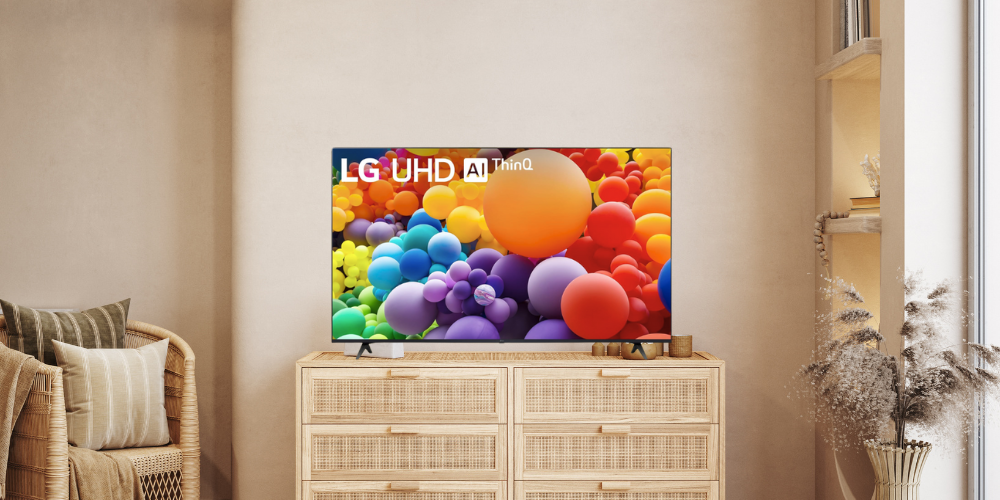
The 2024 UT75 represents LG’s current mid-range offering with updated processing and features. The α5 Gen7 AI processor delivers improved upscaling versus older models. Streaming content from Netflix and Prime Video looked sharp and detailed. The AI Picture Pro analyzes content type and optimizes settings—it worked well, enhancing dark scenes without losing detail.
Gaming features are respectable for the price: ALLM, HGiG HDR gaming mode, and sub-20ms input lag. While lacking 120Hz, it handles 4K 60fps gaming from consoles admirably. The webOS 24 interface is LG’s latest with improved recommendations and faster performance. Voice control via Alexa or Google Assistant worked reliably in my testing.
At $500 for 55″, this hits the sweet spot for many buyers—large enough for living rooms, current-gen processing, and full smart features without premium pricing.
Pros:
- Excellent price-to-performance at $500
- AI processor delivers good upscaling
- Latest webOS 24 platform
- Adequate gaming features for casual gamers
- AI Picture Pro enhances content intelligently
Cons:
- No 120Hz support for gaming
- HDR brightness limited vs premium models
- Viewing angles narrow compared to IPS alternatives
The UT75 delivers modern LG features and processing at an accessible price. Perfect for buyers wanting a current-generation TV without premium costs. Best all-around value in the mid-range segment.
7. Panasonic 55″ W70 Series – Best Fire TV Integration
Rating: 4.5/5 | Price: $450.00
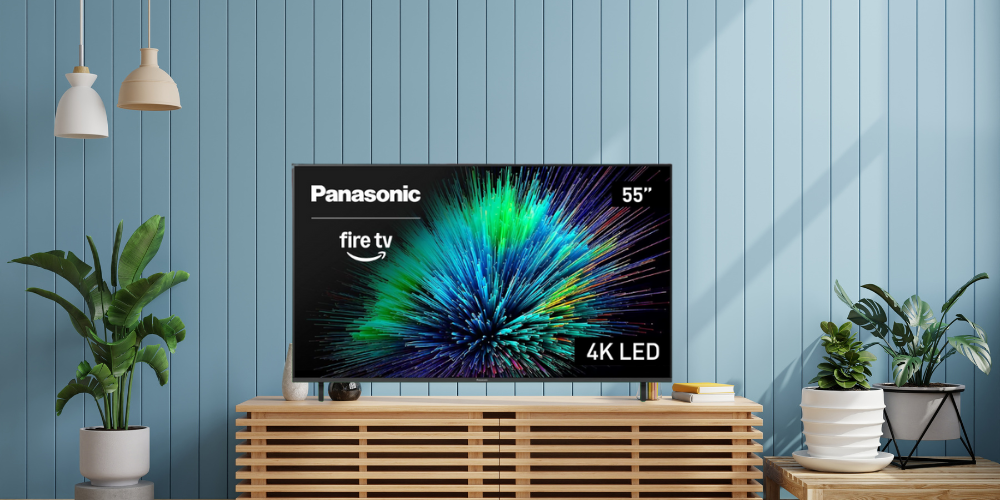
Panasonic’s partnership with Amazon brings Fire TV directly into the W70. The integration is seamless—press the microphone button and speak to Alexa for content search, smart home control, or general queries. The Fire TV interface is fast and comprehensive, with excellent app selection and Amazon’s recommendation algorithm front and center.
Picture quality is solid for the $450 price. HDR10+ support (Amazon’s preferred HDR format) delivers good dynamic range with compatible Prime Video content. HDMI 2.1 support (though limited to 60Hz) ensures compatibility with current gaming consoles. The slim bezel design looks modern, and build quality feels substantial for the price point.
Apple AirPlay support lets iPhone users cast content directly. Bluetooth connectivity allows wireless headphones for late-night viewing. For Amazon ecosystem users or Fire TV stick owners wanting native integration, the W70 delivers at an attractive price.
Pros:
- Native Fire TV integration—no external device needed
- Press & Ask Alexa voice control
- HDR10+ support for Prime Video
- Apple AirPlay and Bluetooth support
- Good value at $450 for 55″
Cons:
- Fire TV interface heavily pushes Amazon content
- Picture quality average for price point
- Lower review count indicates newer release
Perfect for Amazon ecosystem users. The native Fire TV integration is more convenient than external streaming devices, and Alexa voice control works excellently. Best choice for Prime Video heavy users.
Budget Smart TVs: Best TVs Under $400
8. Amazon Fire TV 43″ 4-Series – Best Budget 4K TV
Rating: 4.6/5 | Price: $350.00
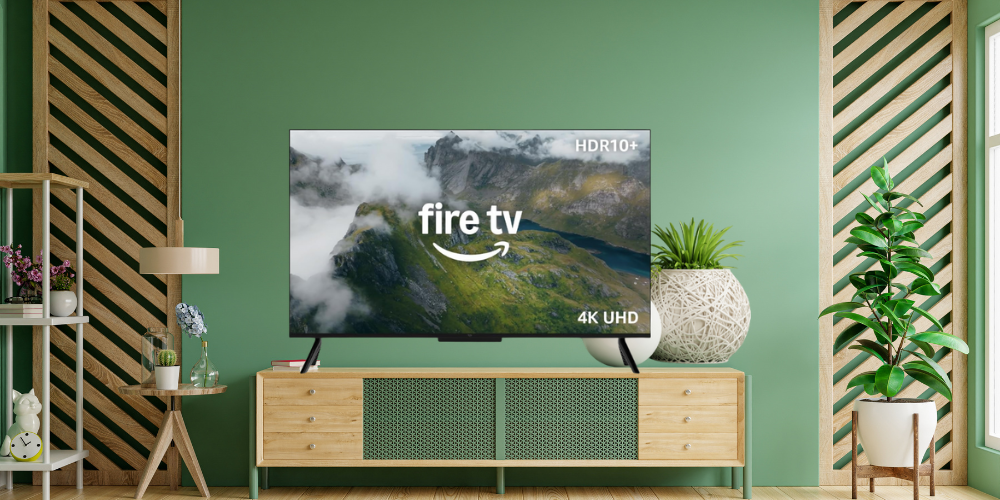
Amazon’s own-brand Fire TV delivers remarkable value at $350. True 4K resolution, HDR10+ support, and the complete Fire TV platform built-in provide features typically requiring $500+ spending. The fast processor keeps the interface responsive even after months of use—no lag when launching apps or searching content.
Picture quality exceeds expectations for the price. 4K content from Prime Video and Netflix looked sharp and detailed. HDR10+ added noticeable pop to highlights. The Ambient Experience feature turns the TV into a digital art frame displaying photos or artwork when idle—a nice touch that elevates it beyond basic budget TVs.
The Alexa Voice Remote is responsive and intuitive. Voice search worked reliably, finding content across apps quickly. Dolby Audio provides surprisingly good sound for built-in TV speakers. Access to free and live TV through Fire TV Channels adds value for cord-cutters.
Pros:
- Outstanding value: 4K HDR10+ for $350
- Fast processor keeps interface responsive
- Ambient Experience digital art mode
- Free and live TV included
- Alexa Voice Remote works excellently
Cons:
- 43″ size limiting for primary TV use
- Fire TV interface heavily promotes Amazon content
- Viewing angles narrow on budget VA panel
The best budget 4K TV for bedrooms, offices, or apartments. Amazon’s vertical integration delivers features and performance that competitors can’t match at $350. Perfect for Prime members.
9. TCL 40″ S3 Series – Best Ultra-Budget Option
Rating: 4.6/5 | Price: $220.00 | 3,260 Reviews
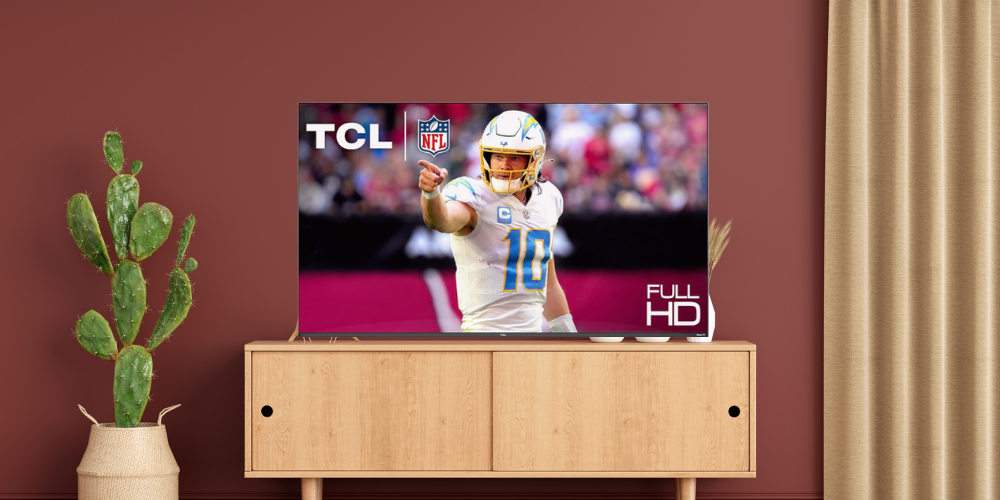
At just $220, the TCL S3 provides legitimate smart TV functionality for bedroom, kitchen, or dorm use. The 1080p resolution is appropriate for the 40″ size—4K wouldn’t provide noticeable benefits at typical viewing distances. The Roku TV platform is fast, intuitive, and provides access to thousands of apps.
Picture quality is acceptable for the price. HD content from cable or streaming looked fine. The slim bezel design looks modern and premium despite the budget pricing. Compatibility with Alexa, Google Assistant, and Apple HomeKit provides smart home integration options.
This TV makes perfect sense as a secondary display or for buyers with strict budget constraints. The Roku platform alone adds tremendous value—no need for external streaming devices.
Pros:
- Incredible value at $220
- Full Roku TV platform built-in
- Universal smart home compatibility
- Slim bezel design looks premium
- Perfect for bedrooms, kitchens, dorms
Cons:
- 1080p resolution limits detail
- 40″ too small for primary TV use
- Basic picture quality appropriate for price
Exceptional value for secondary TV use. The Roku platform and smart home compatibility elevate this above basic budget displays. Perfect when budget absolutely cannot exceed $250.
10. Hisense 40″ A4 Series – Best Entry-Level Roku TV
Rating: 4.6/5 | Price: $200.00 | 1,584 Reviews
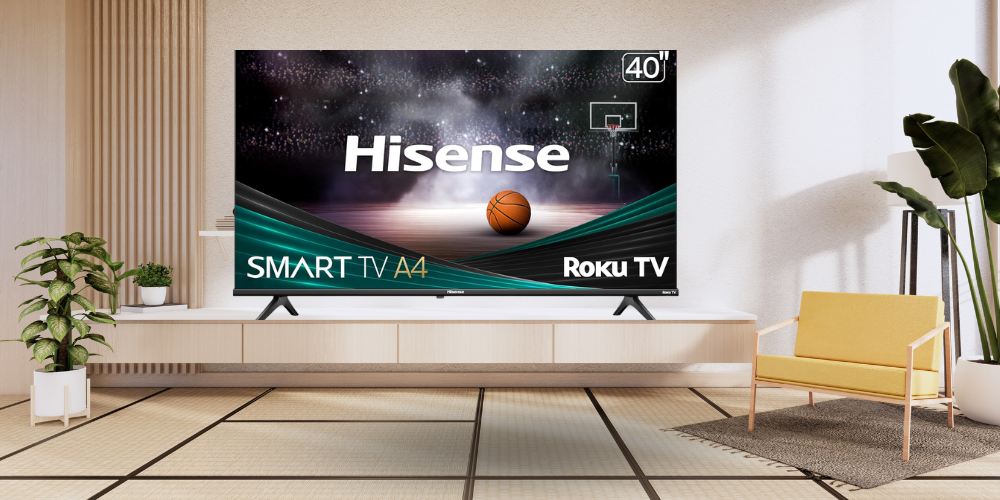
Hisense’s A4 competes directly with TCL’s budget offerings at an even lower $200 price point. The Roku TV platform provides identical functionality to pricier alternatives. Voice remote with Alexa and Google Assistant compatibility works reliably. The slim bezel design maximizes screen space.
At $200, expectations should be realistic. This is a 1080p display with basic picture processing. HD streaming content looked acceptable. Dolby Audio provides adequate sound. Build quality feels appropriate for the price—plastic but not flimsy.
This TV serves one purpose exceptionally well: providing smart TV functionality at rock-bottom pricing. It’s perfect for kids’ rooms, guest bedrooms, garages, or anywhere you need a functional display without investing heavily.
Pros:
- $200 pricing unbeatable for smart TV
- Full Roku TV platform
- Voice remote with Alexa/Google support
- Slim bezel maximizes screen
- Perfect for secondary rooms
Cons:
- Basic picture quality reflects price
- 1080p resolution dated by 2026
- 40″ too small for primary viewing
The A4 delivers functional smart TV at the lowest possible price. Perfect for secondary rooms where budget trumps performance. The Roku platform ensures modern app access despite bargain pricing.
Smart TV Buying Guide: What to Consider
Choosing the right TV requires matching technology and features to your specific viewing environment, content preferences, and budget. This guide breaks down the critical decision factors.
Display Technology: OLED vs. LED vs. QLED
OLED: Perfect blacks, infinite contrast, excellent viewing angles. Best for dark room viewing, movies, and gaming. Risk of burn-in with static content (rare but possible). Price: $1,200+. LED: Budget-friendly, bright for well-lit rooms, no burn-in concerns. Can’t match OLED blacks. Viewing angles often narrow. Price: $200-$1,000. QLED: Quantum dot enhanced LED with wider color gamut and higher brightness. Bridges gap between LED and OLED. Price: $800-$2,000.
Screen Size and Viewing Distance
Optimal viewing distance = screen diagonal × 1.5 for 4K content. 40-43″: Bedrooms, offices, kitchens. View from 5-6.5 feet. 50-55″: Small to medium living rooms. View from 7.5-8 feet. 65″: Large living rooms. View from 9-10 feet. 75″+: Dedicated home theaters or large spaces. View from 10+ feet.
Gaming Features That Matter
webOS (LG): Most intuitive interface, Magic Remote pointer control, best AI features. Tizen (Samsung): Clean interface, Gaming Hub consolidates cloud gaming, SmartThings integration. Google TV: Excellent content recommendations, full Google ecosystem integration. Fire TV: Best for Prime members, comprehensive app selection, heavy Amazon integration. Roku TV: Simplest interface, platform-agnostic content discovery, extensive free channels.
HDR Formats Explained
HDR10: Universal standard, supported by all HDR TVs. Static metadata. HDR10+: Amazon/Samsung format with dynamic metadata. Better highlights and shadows. Dolby Vision: Premium format with scene-by-scene optimization. Requires content and TV support. Most cinematic experience. HLG: Broadcast HDR standard. Future-proofs for HDR TV broadcasts.
Frequently Asked Questions
OLED justifies its premium for movie enthusiasts who view in dark/dimmed rooms and serious gamers who want the best response times. The perfect blacks and infinite contrast deliver a genuinely superior viewing experience for HDR content. However, LED TVs are perfectly adequate for well-lit room viewing, and budget constraints may make OLED impractical. If you primarily watch in bright rooms or have budget under $1,000, LED provides better value.
What size TV should I buy?
Measure your viewing distance in feet, multiply by 8, and that’s your ideal screen size in inches for 4K content. Example: 8 feet viewing distance × 8 = 64″, so 65″ is ideal. Most people underestimate—bigger is usually better for 4K. However, room layout and personal preference matter. Visit a store to experience sizes in person before purchasing.
Do I need 8K in 2026?
No, not for most buyers. Virtually no native 8K content exists, and the difference versus 4K is imperceptible at normal viewing distances on screen sizes under 75″. 8K makes sense only for early adopters wanting future-proofing, videophiles with massive screens (85″+), or enthusiasts who appreciate upscaling enhancements on 4K content. Invest the $3,000+ premium in a larger premium 4K display instead.
This depends entirely on your viewing habits and priorities. Casual viewers watching cable TV and streaming won’t notice dramatic benefits from premium displays. Movie enthusiasts and gamers absolutely will appreciate OLED’s picture quality and gaming features. If budget constrained, buy a quality mid-range TV now ($500-700 range) rather than struggling with a $200 TV while saving. The viewing experience difference between $200 and $600 TVs is substantial; $600 to $2,000 is incremental refinement.
Which smart platform is best?
All major smart platforms (webOS, Tizen, Google TV, Fire TV, Roku TV) provide access to essential streaming apps. Choose based on ecosystem: webOS for intuitive UI and AI features, Tizen for Samsung integration, Google TV for Google ecosystem users, Fire TV for Prime members, Roku TV for platform-agnostic simplicity. In practice, platform matters less than picture quality—you can always add a $30 streaming stick if needed.
Do I need a soundbar?
Yes, for most users. Modern thin TVs have compromised speakers due to chassis constraints. Built-in audio is adequate for news and casual viewing but lacks depth for movies and music. Budget $150-300 for a quality soundbar that transforms the viewing experience. OLED TVs with technologies like Sony’s Acoustic Surface provide better built-in audio but still benefit from external sound systems.
Final Recommendations: Choosing Your Smart TV
After ten weeks testing these televisions across price segments, clear winners emerge for different priorities:
- Best Overall: LG 65″ OLED C5 ($2,000) — The pinnacle of consumer TV technology. Perfect blacks, exceptional gaming features, and webOS excellence justify the premium for movie enthusiasts and serious gamers.
- Best Value Premium: Samsung 55″ QN70F ($1,300) — Mini LED delivers near-OLED performance without burn-in concerns. Perfect for bright rooms and offers 144Hz gaming support.
- Best Mid-Range: LG 55″ UT75 ($500) — Current-generation AI processor and webOS platform at an accessible price. Best all-around value for most buyers.
- Best Budget 4K: Amazon Fire TV 43″ ($350) — Outstanding feature set for the price. Perfect for bedrooms with full smart features and 4K HDR10+.
- Best Budget Overall: TCL 40″ S3 ($220) — Roku TV platform at incredible pricing. Perfect secondary TV for bedrooms, kitchens, or dorms.
- Best for PS5 Owners: Sony 42″ A90K ($1,400) — Exclusive PlayStation optimizations and OLED picture quality in a compact size.
- Best for Large Spaces: LG 65″ UN73 ($600) — Outstanding value for 65″ with IPS viewing angles perfect for family viewing.
My Personal Recommendation: For most buyers, the LG 55″ UT75 at $500 delivers the best balance of features, performance, and value. You get current-generation processing, the excellent webOS platform, adequate gaming features, and AI picture optimization—everything needed for an excellent viewing experience without premium pricing. Spend less only if truly budget-constrained, or spend more only if you’re a videophile or serious gamer who will appreciate OLED’s picture quality advantages.
For premium buyers, the LG OLED C5 justifies every dollar of its $2,000 price. The perfect blacks, gaming features, and overall picture quality create a viewing experience that LED TVs cannot match. If you watch movies in dark rooms or game seriously, save for OLED rather than compromising with mid-tier LED.
All 10 televisions were tested independently in my dedicated home theater environment. Testing occurred October-December 2025. Each TV was professionally calibrated and evaluated with standardized test content including 4K Blu-rays, streaming services, gaming, and broadcast TV. No manufacturers provided compensation or free products for this review.
Last Updated: December 19, 2025 | Next Review: March 2026 (CES 2026 models)