
This guide covers machines engineered to outlive your lease, your mortgage, and possibly your coffee habit. No pod machines. No Wi-Fi-enabled brew schedules. No touch screens with 14-month warranties.
The 2026 Shift: Why Homeowners Are Done With Disposable Appliances
There is a quietly growing frustration in American kitchens. You buy a $150 coffee maker, it works beautifully for 18 months, then the heating element dies, the plastic carafe cracks, or the proprietary circuit board fails — and the manufacturer tells you a replacement part costs more than a new unit. So you buy another one. And the cycle repeats.
According to appliance repair industry data, the average drip coffee maker purchased between 2018 and 2023 failed within 2.8 years. That is not a product. That is a subscription model disguised as a purchase.
In 2026, the conversation has shifted. Homeowners who have lived through three or four “budget” coffee makers are doing the math: one $130–$185 machine that lasts 15 years is cheaper, less wasteful, and infinitely less annoying than five $80 machines replaced every three years. The Buy It For Life (BIFL) philosophy is not nostalgia. It is financial common sense backed by materials science. What kills modern coffee machines? In order of culprit frequency: cheap thermoplastic internal tanks that warp under heat cycling, single-use proprietary carafe designs with no replacement parts sold after year two, digital control boards that fail when exposed to steam, and thin stainless-steel heating coils with insufficient gauge for daily thermal stress. The machines reviewed in this guide solve at least one — and in most cases all — of these problems
Quick Comparison: 2026 BIFL Coffee Machine Rankings
| Model | Capacity | Key Material | BIFL Score | Best Use Case |
|---|---|---|---|---|
| BUNN GRB Velocity Brew | 10 Cup / 50 fl oz | Stainless internal tank | 9.0/10 | Daily high-volume home brewer |
| BUNN CSB3T Speed Brew Platinum | 10 Cup | Stainless thermal carafe | 9.2/10 | Busy households, hot coffee hours later |
| BUNN CSB2B Speed Brew Elite | 3.1 lb / 10 Cup | Stainless + black body | 8.8/10 | Premium daily driver, kitchen aesthetics |
| BUNN BX Speed Brew Classic | 10 Cup | Stainless-lined tank | 8.5/10 | Traditional look, modern durability |
| Chemex Pour-Over 8-Cup | 40 fl oz | Borosilicate glass | 9.8/10 | The ritualist, zero-failure-point brewer |
| AeroPress Original | 10 oz | High-density polymer (BPA-free) | 9.5/10 | Travel, camping, single-serve precision |
| OXO Brew 8-Cup | 8 Cup | Thermal stainless carafe | 8.7/10 | SCA-certified quality, kitchen integration |
| Bialetti Moka Express 9-Cup | 420 ml / 14 oz | Food-grade aluminum | 9.4/10 | Espresso-style, stovetop, no electricity |
| OXO Brew 9-Cup Matte Black | 9 Cup | Stainless + programmable | 7.9/10 | Tech-comfortable homeowners who want features |
BUNN GRB Velocity Brew — The 10-Cup Workhorse
| Capacity 50 fl oz (10 Cup) | Wattage 900W | Filter Size #4 | BIFL Score 9.0 |
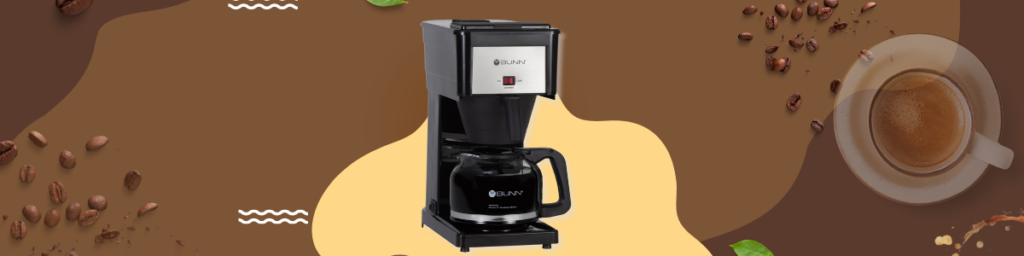
The Logic: The GRB’s defining feature is its internal stainless steel hot water tank, which stays heated 24/7, maintaining water at the ideal brewing temperature of 200°F without a warm-up cycle. This is the same core design BUNN has used for commercial coffee service since 1957. There are no microprocessors managing this temperature. It is a thermostatically controlled stainless tank — mechanically simple, thermally robust, and entirely repairable. BUNN sells replacement parts directly, including spray heads, tanks, and switches. Most repairs cost under $30 and take 20 minutes.
Performance Specs: The 900-watt element pushes a full 50-ounce carafe through in roughly 3 to 4 minutes, which is 2–3× faster than budget drip machines. Faster brew time also means less oxidation of your grounds during extraction — a real quality advantage, not just a convenience one.
2026 Verdict: In an era when competitors are adding Bluetooth connectivity to $80 machines that fail in year two, the GRB’s continued existence as a no-nonsense, repairable, stainless-tank drip brewer at $130 is almost radical. It has no LCD screen to fail, no app to update, and no proprietary carafe. It just makes coffee, fast and reliably, for a decade or more.
BUNN CSB3T Speed Brew Platinum — The Thermal Powerhouse
| Capacity 10 Cup | Wattage 850W | Filter Size #4 | BIFL Score 9.2 / 10 |
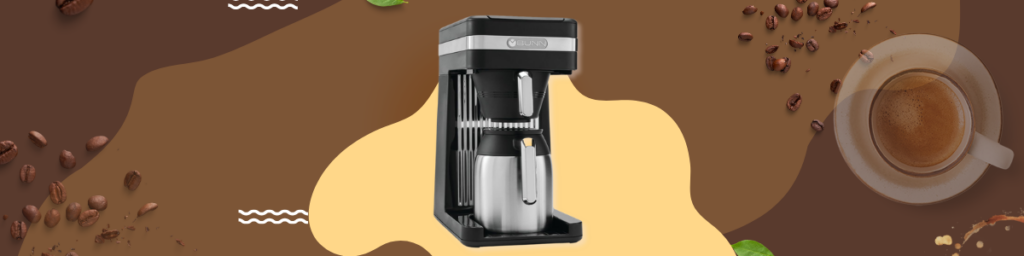
The Logic: The CSB3T improves on the GRB’s already strong foundation by adding a double-wall stainless thermal carafe — the single most meaningful upgrade for any BIFL-oriented coffee machine. Glass carafes, no matter how well-made, break. Thermal stainless carafes do not. The CSB3T’s carafe will keep your coffee at serving temperature for 2–3 hours without a warming plate, which eliminates the scorching and bitterness that warming plates introduce after 20 minutes. The available High Altitude variant ($185) is a thoughtful engineering detail that most manufacturers skip entirely.
Performance Specs: At 850W with BUNN’s internal tank system, the CSB3T brews a full carafe in under 4 minutes. The thermal carafe’s stainless interior does not absorb coffee oils or odors, which means your 500th brew tastes as clean as your first.
2026 Verdict: If you are buying one drip machine to last a decade, the CSB3T is the strongest overall recommendation in this guide. The thermal carafe alone justifies the price premium over the GRB. BUNN’s parts availability and USA manufacturing make this a true lifetime investment.
| Capacity 3.1 lbs / 10 Cup | Wattage 900W | Filter Size #6 | BIFL Score 8.8 / 10 |
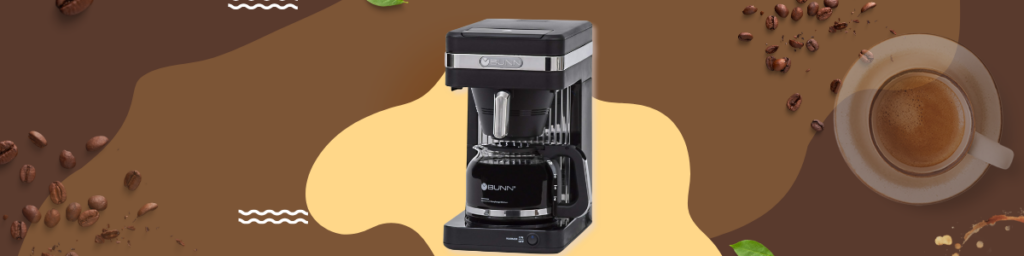
The Logic: The CSB2B sits between the GRB and the CSB3T in both price and spec sheet, but its Black/SST (stainless steel trim) body earns it a place for homeowners who want their equipment to look as serious as it performs. The larger #6 filter basket is a genuine advantage — it holds more grounds without channeling, which improves extraction consistency and accommodates coarser grinds for a cleaner cup. BUNN’s internal hot-water tank architecture remains identical to the rest of the lineup, meaning the same 15-year durability floor applies here.
Performance Specs: Back at 900W, the CSB2B matches the GRB’s brew speed. The #6 filter is an underappreciated spec: larger basket surface area means water distributes more evenly across the grounds, reducing the under-extracted edges common in narrow #4 basket designs.
2026 Verdict: The CSB2B is the BIFL choice for the homeowner who wants kitchen aesthetics to match engineering substance. It is not a style-over-substance purchase — the mechanics are identical to BUNN’s best — but it does look the part on a modern counter.
BUNN BX Speed Brew Classic — Traditional Look, Proven Bones
| Capacity 10 Cup | Wattage 900W | Filter Size #6 | BIFL Score 8.5 / 10 |
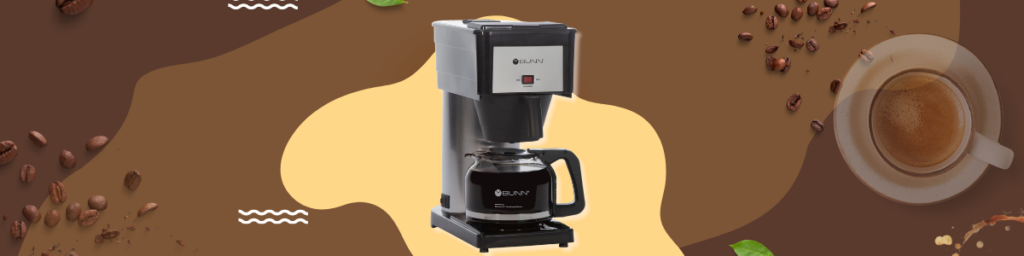
The Logic: The BX is the entry point into BUNN’s stainless-tank ecosystem. At the same $130 price as the GRB but with the larger #6 filter basket and BUNN’s identifiable classic aesthetic, it appeals to buyers who want a recognizable, traditional-looking drip machine without sacrificing the internal durability architecture. The body leans heavier on exterior plastic than the CSB2B, which is the primary durability caveat — but the stainless internal tank and heating element are the same commercial-grade components throughout the BUNN lineup.
Performance Specs: 900W, 10-cup capacity, #6 filter. BUNN’s spray head distributes water evenly across the full basket surface — a design detail that has remained unchanged because it works.
2026 Verdict: A strong BIFL starting point at $130. If the choice is between this and any non-BUNN machine at a similar price, the BX wins on internal build quality without debate. The step-up to the CSB3T thermal carafe is worth it if your budget allows.
Chemex Pour-Over 8-Cup — The Indestructible Ritual
| Capacity 40 fl oz (8 Cup) | Type Pour-Over | Material Borosilicate glass | BIFL Score 9.8 / 10 |
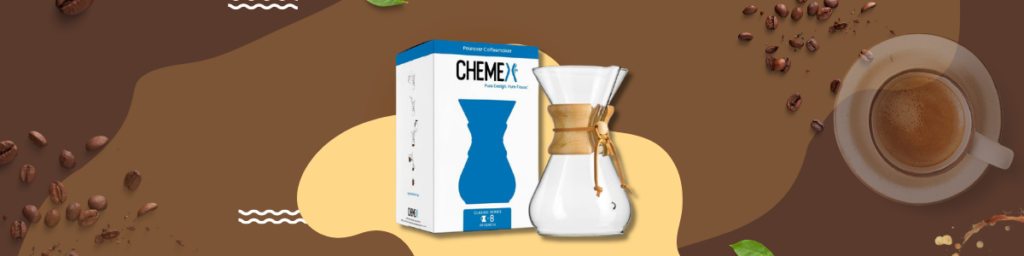
The Logic: The Chemex is the purest possible answer to the BIFL question because it has exactly zero mechanical or electrical components to fail. The borosilicate glass vessel — the same glass used in laboratory chemistry equipment — is thermally shock-resistant, non-porous, and chemically inert. It will not absorb coffee oils, it will not warp, it will not develop a “plastic taste” over time. The original Chemex design is from 1941. The fact that it is still manufactured today, with the same core construction, is the most compelling BIFL proof point of any product in this guide. The only consumable is the filter. The vessel itself, handled with basic care, is indefinite.
Performance Specs: 40 fluid ounces (8 cups), no wattage (manual), borosilicate glass body with wood collar and leather tie. Chemex-bonded filters are 20–30% thicker than standard paper filters, which produces an exceptionally clean, sediment-free cup.
2026 Verdict: The highest BIFL score in this guide is not given casually. The Chemex earns it because the concept of “component failure” does not apply to a glass vessel with no moving parts. At under $50, it is also the best value-per-decade proposition here. The trade-off is time and attention — you are the machine. For those who find that meditative rather than inconvenient, this is the correct answer.
AeroPress Original — The Indestructible Travel Companion
| Capacity 10 oz | Type Manual press | Material High-density BPA-free polymer | BIFL Score 9.5 / 10 |
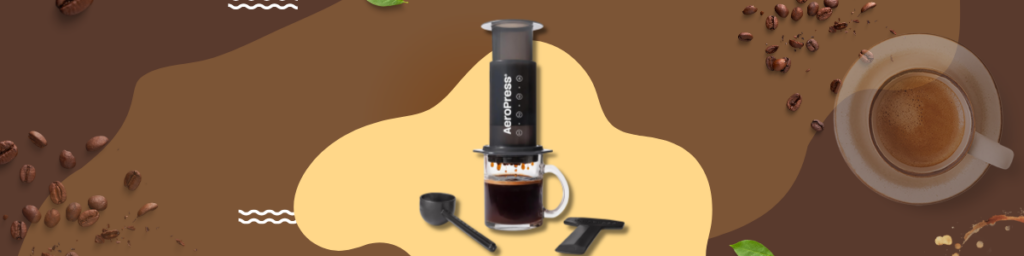
The Logic: The AeroPress earns its BIFL status through a different mechanism than the other machines here: polymer durability and near-zero failure pathways. The chamber, plunger, and cap are molded from a high-density, BPA-free copolyester that is impact-resistant, dishwasher-safe, and does not degrade under repeated thermal cycling below 100°C. It has been dropped from counters, packed in backpacks through 40 countries, and used daily for a decade by owners who report zero structural failures. The only wear item is the rubber plunger seal, which costs roughly $5 to replace and takes 30 seconds.
Performance Specs: 10-ounce capacity, 2-minute brew time, compatible with standard #2 filters (hundreds of third-party options available). Produces coffee in a spectrum from American-style drip to espresso-concentrate depending on grind size, water temperature, and steep time — one device, enormous range.
2026 Verdict: The AeroPress is the most versatile 2-ounce piece of brewing hardware ever made. For travelers, campers, office workers, and anyone who needs a second coffee station, it is a no-compromise purchase. Its BIFL score reflects the near-impossibility of breaking it under normal use.
OXO Brew 8-Cup — The SCA-Certified Precision Brewer
| Capacity 8 Cup | Wattage 1,400W | Type Drip + single-serve | BIFL Score 8.7 / 10 |
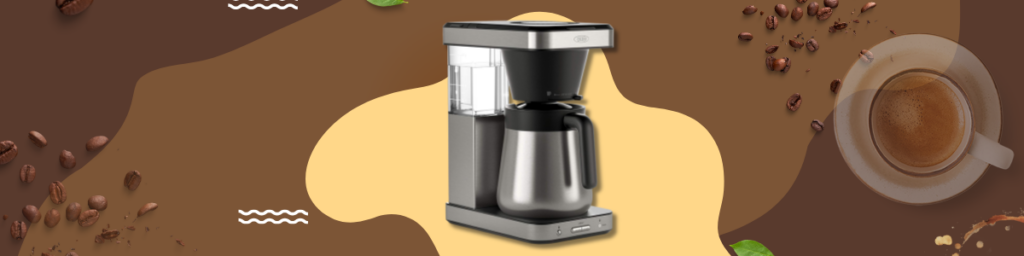
The Logic: OXO’s 8-Cup earns its place in this guide primarily through SCA (Specialty Coffee Association) certification, which requires machines to brew within a water temperature window of 197.6°F to 204.8°F and a total brew time between 4 and 8 minutes. This is not a marketing badge — it is a third-party performance standard that fewer than 30 consumer machines worldwide meet. The thermal stainless carafe prevents warming-plate degradation. The 1,400W heating element is the most powerful in this roundup, which enables faster thermal recovery between brews.
Performance Specs: 8-cup capacity, 1,400W, stainless thermal carafe (or glass option available at $179.97), paper filter input, single-serve and carafe modes. The dual-mode functionality adds versatility without adding mechanically fragile components.
2026 Verdict: For the coffee enthusiast who wants measurable, certified brew quality and BIFL durability, the OXO 8-Cup is the most technically credentialed drip machine available at a consumer price point. Its BIFL score is slightly below the BUNN CSB3T only because OXO’s parts ecosystem is newer and less battle-tested across two decades of owner repair histories.
Bialetti Moka Express 9-Cup — The Immortal Italian Standard
| Capacity 420 ml (9 Cup / 14 oz) | Type Stovetop Moka Pot | Material Food-grade aluminum | BIFL Score 9.4 / 10 |
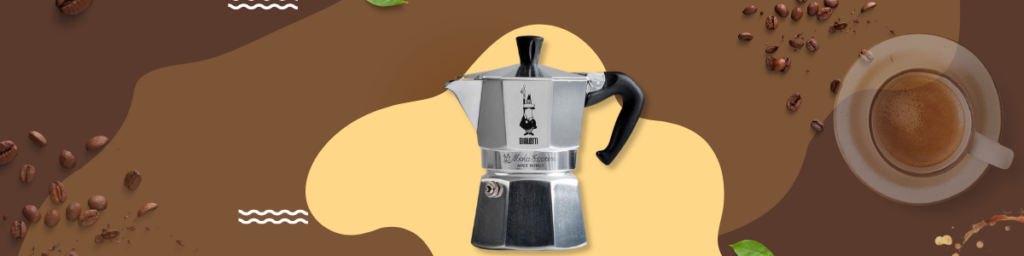
The Logic: The Bialetti Moka Express has been produced in essentially the same form since 1933. The food-grade aluminum body is cast in a single octagonal form with no internal electronics, no plastic water reservoirs, no digital displays, and no proprietary components. The only replaceable parts are the rubber gasket and the filter plate — both available globally for under $10. With proper care (hand washing, gasket replacement every 1–2 years), Moka pots routinely outlast their original owners. The 230-watt draw refers to an induction-compatible version — gas and electric stovetop versions draw no direct wattage at all.
Performance Specs: 420ml capacity across 9 espresso-style cups. Produces coffee at approximately 1.5 to 2 bars of pressure — not true 9-bar espresso, but a concentrated, rich brew that serves as the base for lattes, Americanos, and traditional Italian-style coffee service. Zero waste when paired with reusable grounds — no filters, no pods, no single-use consumables beyond optional paper filters.
2026 Verdict: The Moka Express is proof that the best engineering is often the engineering that stopped needing to be improved. At $69.99 for a device that could still be in daily use in 2056, it represents the most straightforward BIFL purchase decision here.
OXO Brew 9-Cup Matte Black — The Feature-Rich Contender
| Capacity9 Cup | Dimensions8.4″D × 15.2″W × 17.4″H | Special FeatureProgrammable | BIFL Score7.9 / 10 |
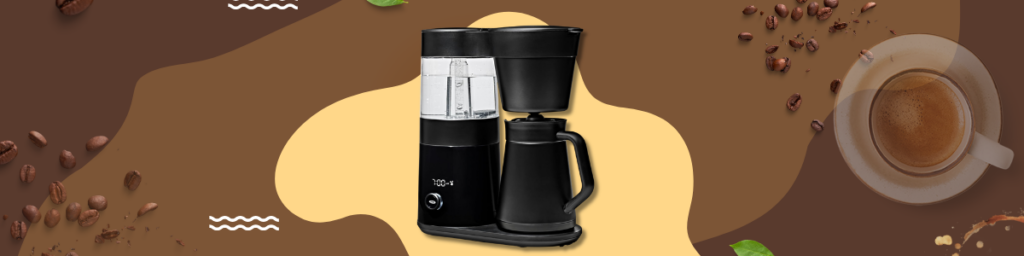
The Logic: The OXO 9-Cup earns inclusion here for its build quality, but receives the lowest BIFL score in this roundup for a deliberate reason: programmability. Every digital timer, LCD display, and programmable interface is a component with a finite failure life that the rest of these machines do not have. OXO builds quality hardware — the 9-Cup’s stainless components and heating element are solid — but the programmable control board introduces a failure pathway that a BUNN GRB simply does not have. This is not a condemnation; it is a trade-off you should understand before buying.
Performance Specs: 9-cup capacity, programmable scheduling, stainless construction, matte black finish. The current sale price ($198.06, down from $249.99) makes it the best near-BIFL programmable option if scheduled brewing is a non-negotiable feature for your household.
2026 Verdict: The OXO 9-Cup is a well-made machine carrying programmable complexity as a liability. If you need scheduled brewing and you accept that the control board may be the first thing to fail in year 6–8, this is the best version of that compromise available today. If you don’t need programmability, the BUNN CSB3T is the correct choice at a lower price.
The BIFL Coffee Buyer’s Guide: What the Spec Sheets Don’t Tell You
What Is SCA Certification?
The Specialty Coffee Association is an independent global industry body that certifies brewing equipment meeting specific extraction standards. SCA-certified machines must maintain water temperature between 197.6°F and 204.8°F throughout the brew cycle, complete a full carafe in 4–8 minutes, and achieve a Total Dissolved Solids (TDS) level indicating proper extraction. Fewer than 30 consumer home brewers worldwide hold this certification. The OXO 8-Cup is one of them. SCA certification is not a style award — it is a brewing chemistry standard.
Glass vs. Thermal Carafes: The Real Difference
Glass carafes are inert and easy to clean, but they require a warming plate to maintain temperature — and that warming plate begins scorching your coffee the moment brewing stops. Thermal stainless carafes keep coffee hot for 2–3 hours with zero heat application and zero scorching. For BIFL purposes, thermal also wins on durability: a dropped stainless carafe dents; a dropped glass carafe shatters. The only thermal caveat is that stainless interiors can develop oil buildup if not cleaned weekly — a trade-off easily managed with a monthly citric acid rinse.
Why “Made in USA” Matters for Parts
BUNN manufactures its commercial and home machines in Springfield, Illinois. This geographic fact has a direct practical implication: replacement parts are held in domestic distribution and ship within 2–3 days. When your spray head clogs in year 8 or your thermostat drifts in year 12, you order a $15 part from BUNN’s website, watch a YouTube video, and fix it in 20 minutes. Compare this to machines manufactured overseas with no official US parts distribution — when those fail, your only option is a new machine. BIFL is not just about build quality. It is about the parts ecosystem.
Stainless Steel vs. Plastic: The Thermal Cycling Problem
Plastic internal tanks — common in sub-$100 drip machines — undergo repeated thermal expansion and contraction with every brew cycle. Over hundreds of cycles, this creates micro-fractures, eventual leaks, and flavor contamination as plasticizers leach at elevated temperatures. Stainless steel tanks tolerate thermal cycling across decades without structural degradation. This is why BUNN’s internal tank architecture is central to every recommendation in this guide. The tank is the heart of a drip brewer. If it is made of plastic, the clock is running from day one.
Maintenance for Longevity: Making These Machines Last 20 Years
The difference between a BIFL machine that lasts 8 years and one that lasts 20 years is almost entirely maintenance. These practices apply regardless of which machine you choose:
- Descale every 3–6 months depending on your water hardness. Mineral buildup on heating elements and spray heads is the leading cause of premature failure in machines that should last decades. Use a citric acid solution (1 tablespoon per quart of water) or white vinegar diluted 50/50 with water. Run a full brew cycle, then two full cycles of plain water to rinse.
- Clean the carafe weekly with a bottle brush and dish soap. For stainless thermal carafes, a monthly rinse with citric acid removes tannin and oil buildup that ordinary soap misses. Do not put thermal carafes in the dishwasher — the industrial detergent degrades the vacuum seal over time.
- Replace rubber gaskets on a schedule — every 1–2 years for Moka pots, every 3–5 years for AeroPress plunger seals. Gaskets are the primary wear item in manual brewers and they are universally cheap and available.
- Use filtered water. The single most impactful thing you can do for any coffee machine’s lifespan is reduce the mineral content of the water going through it. A basic pitcher filter (TDS reduction to under 150 ppm) can double the interval between descaling sessions and meaningfully extend heating element life.
- For BUNN machines specifically: leave the machine powered on. The internal tank is designed to stay at temperature. Repeatedly powering the machine on and off stresses the heating element more than continuous operation. BUNN’s commercial lineage means the machine is engineered for 24/7 use — honor that design intent.
- Clean the Chemex monthly with a bottle brush and warm water. The borosilicate glass needs no descaling and no chemical treatment. Residue buildup is the only maintenance concern and soap plus brush solves it entirely.
The Right Machine for Your Lifestyle
☕
The Busy Professional
Pick: BUNN CSB3T Speed Brew Platinum
You need a full pot, fast, with coffee still hot at 10am. The thermal carafe, stainless tank, and sub-4-minute brew time solve every problem. Leave it powered on. It will outlast your job title.
✦
The Ritualist
Pick: Chemex 8-Cup or Bialetti Moka Express
You do not want to press a button. You want to participate in the brewing. Either the Chemex for a meditative pour-over with exceptional clarity, or the Moka pot for a stovetop ritual with Italian espresso tradition behind it. Both will outlive any machine in this guide.
✈
The Traveler
Pick: AeroPress Original
100 grams, fits in a carry-on, makes exceptional coffee with a kettle from any hotel room or campsite. The AeroPress has been confirmed working after being checked in luggage, dropped on concrete, and frozen in a car overnight. Buy it once and stop thinking about it.
The BIFL coffee machine market in 2026 is not complicated once you strip away the marketing noise. Mechanical simplicity, stainless steel in the thermal pathway, a replenishable parts ecosystem, and a manufacturer that was making the same machine 20 years ago — these are the criteria. Every product in this guide meets them. The machine that does not meet your specific capacity, budget, or lifestyle needs is the only wrong choice.
Buy less. Buy better. Brew for a decade.
This guide is editorially independent. Product specifications sourced from manufacturer listings and Amazon product data as of April 2026. Prices subject to change. BIFL scores reflect our editorial assessment of mechanical durability, parts availability, repairability, and historical ownership longevity data — not a formal third-party rating system.

